Showing posts with label WWII. Show all posts

Wednesday, December 22, 2010

Review: Meat Me on Rationing Day

Friends, this may be the most controversial post in the long string of posts that is Rational Living.

Eating is, after all, one of the most intimate things we can do - both individually and as a group. People wax poetic over a fine meal, determine a grandmother's worth based upon her bread rolls and will defend the merits of a traditional menu until blue in the face.

We love to eat and we eat to show love. And Americans love meat.

Meat rationing was the most despised aspect of rationing during WWII. As outlined in the original "Meat Me on Rationing Day" post, red point rationing was designed to encourage Americans to eat less meat and, most importantly, to eat lower grades of meat. But Americans then, as now, loved their meat and governmental restrictions regarding meat purchases were met with great displeasure. During WWII, when Americans were polled as to which rationed products were hardest to cut down on or do without, the overwhelming response was meat (sugar was second, but with a considerably less enthusiastic response). Despite the War, Americans still wanted their steak and pot roast dinners. As a result, meat (particularly higher grade cuts of beef) was a popular black market item.

Flash forward over 60 years and you have our family starting our own year of rationing. At the beginning of the rationing year we already ate less meat as compared to the general American public; prior to the project meat was featured in dinners roughly three to four times a week and showed up in about half of the adult lunches). As such, meat restrictions as a result of rationing weren't felt as keenly by us as they may have been for other families. What meat shortages we did face were usually the result of market fluctuations or our self-imposed inclusion of poultry in the rationing program.

That said, we like our meat. Chicken, bacon, pork chops...we all have a strong appreciation for meat.

Which is why it's quite surprising that, at the conclusion of the rationing project we find ourselves a household of vegetarians.

Yes, you read that correctly. It wasn't the jellied ham loaf or the heart kabobs that turned us, it was the environmental and ethical consequences of animal farming.

One of the catalysts for the rationing project was a desire to live a more environmentally conscious and sustainable lifestyle. In one aspect, the rationing year has been an attempt to move beyond the "easy" practices of recycling and line-drying clothes and to dig deeper into ingrained practices and habits that need changing. Our goal was to find changes that could and should be made to reduce our carbon footprint and create a lifestyle that has a less harmful effect on people and the planet.

With that desire in mind, the hard reality is that factory farmed meat is the diametrical opposite of a sustainable practice. The waste runoff, habitat destruction and pollution caused by animal farming contributes more to global climate change than transportation. Think about it: meat production causes more environmental damage than all cars, planes, trains and boats combined - a whopping 40% more. A hybrid car is a great thing, but if your driving it to the local burger joint your doing more damage than you probably realize.

And then there's the ethics of meat production. Factory animal farming is notorious for using (and abusing) undocumented workers - creating workplace environments that constitute human rights violations. Meat processing at break-neck speeds endangers both the workers (meat processors have the highest on-the-job injury rate of any labor field) and endangers the public - E. coli outbreaks are the result of unsanitary practices resulting from factory processing (those bleach baths the meat takes before packaging don't kill everything). Cheap labor and fast processing promotes lower meat prices, but at a cost to humanitarian and health well-being.

Then, of course, there's the animals. I won't go in to the horrors of factory animal farming - there are plenty of available resources to educate you on that topic. And even if you make the commitment to purchase the more expensive, locally-raised meat there is still the slaughter to consider. Because most local slaughter facilities have been purchased ("bought out") by the large CAFO companies the likelihood that even your free-range, humanely treated animals experience a human slaughter is extremely slim.

So the only way for us to feel at peace with eating meat is to make sure the animals are treated respectfully during life and ensure that they had a humane slaughter. In the current system, the only way to guarantee both of those assertions is to have a direct part in both the raising and processing of the animal.

TMOTH and I both have strong opinions about having honest relationships with food: know what it is, where it came from and what it went through to be on your plate. This goes for meat, too, and is why when TMOTH hunts he only attempts a shot that is clear and direct and will cause the least suffering for the animal. It is also the reason why we process the venison ourselves.

But really, why should other meat be treated any differently?

Our new homestead will allow us, for the first time ever, the ability to raise our own animals for meat purposes. Whether we have the fortitude to raise an animal in an intimate setting and then slaughter it for food has yet to be determined. But know this about our beliefs: if we can't raise and slaughter it ourselves, then we shouldn't be eating it. Period.

And even the girls support this transition; even Sissy, the biggest carnivore of the family, has learned enough about factory animal farming to support this decision with maturity and understanding.

We know many, many readers will not agree with this choice. We're not telling you that you should be living by these same standards or judging your practices or insisting that our beliefs are better than yours.

We're just trying to live by our standards of what is right...and encourage you to live by your own.

--Rational Mama

P.S. For a thorough, even-handed examination of the implications of animal farming and eating meat, I highly recommend Jonathan Safran Foer's, "Eating Animals."

Monday, December 20, 2010

Review: Of Veg and Cheese...and Java Dilemma

In the original "Of Veg and Cheese" post I outlined how, in accordance with life in the early 1940's, we would be limited to seasonably available produce during the rationing year, with the exception of canned and frozen produce which would be subject to ration points and market fluctuations.

So how did it go?

Well, last winter was tough - no bones about it. With just one pound of frozen vegetables setting us back one quarter of our weekly blue/green points, we were forced to work with seasonally available produce. This meant mostly carrots, potatoes and cabbage. And trust me, with all other green, leafy vegetables unavailable you start to appreciate cabbage on a whole new level.

Going without fresh salad for a few months definitely helped us understand how much we really love salad, even if it's as basic as a few green leaves and a simple dressing. Luckily, growing lettuce and mesclun indoors (or in a hoop frame or cold frame) is so easy we were able to get a jump start on our spring greens.

Once early summer came around we had locally grown produce available from our gardens, the farmer's market and our CSA bag. As you know, we had a hard time maintaining our Victory Gardens, and my new work schedule made visiting the farmer's market logistically tricky. And for a second year the CSA bags were a bit of a disappointment (some of the produce was actually of poor quality); I don't believe we'll do CSA bags in the future.

On the other hand, you just can't beat locally grown fruit. This past year we consumed our share of local strawberries, blackberries, apples and pears. Nothing can beat a fruit that was allowed to ripen fully before picking...and then immediately eating it. Really, I cannot downplay the physical and sensual joy of experiencing a local "u-pick" establishment.

As far as cheese goes...well, it's a staple we never want missing from the fridge. The versatility of hard cheese (snack, recipe ingredient, sandwich topper) make it a very useful, albeit rationed, resource. And thank goodness sour cream and cottage cheese weren't rationed - they have frequently been used to bulk up a sauce or soup (the former) or add protein to an otherwise light meal (the latter).

And finally, coffee. As outlined in the post "Java Dilemma," during rationing each adult received one pound of coffee every five weeks, assuming shortages didn't throw a kink into your coffee purchasing week. Both TMOTH and I increased our coffee consumption during the past year, in exchange for shrinking our soda intake. Even with that change, though, we were never in danger of running out of coffee supplies before the next ration amount could be purchased. We even had enough of a coffee surplus to, umm, be creative.

So, what of veg and cheese and coffee after rationing? We plan to continue focusing on seasonably available produce in an effort to reduce the carbon footprint of the fruits and vegetables we eat. And we'll continue to drink coffee at our current rates and avoid heavily-sugared sodas.

And cabbage...dear, sweet cabbage. You will always have a special place in our hearts...even if you're not as frequent a visitor at the table.

--Rational Mama

Wednesday, December 8, 2010

Review: Rationing: The Not-So-Sweet Life?

When writing the original Rationing: The Not-So-Sweet Life? post I bragged that our household limitation of 8 pounds of sugar per month "doesn't seem that daunting to me." Even without the availability of prepackaged sweets and cookie dough from a tube I felt that this was one ration that was completely manageable.

And you know what? I was right.

Maybe it's because our family doesn't keep a cookie jar regularly supplied, as was the norm in the 1940s. Or maybe we ate fewer sweets. Either way, we adapted quite well to the the sugar restrictions. Cookie craving? Better get the recipe book out because you're not getting any unless you put in the effort. And there were several nights when I would have loved a warm, gooey cookie straight from the oven but was too lazy to actually do the work. And that's probably a good thing.


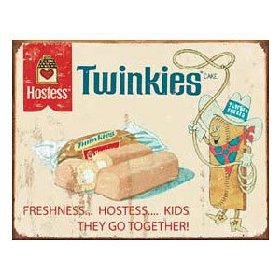
Granted, I did buy the girls Twinkies at one point, since they are a treat that is historically accurate (well, at least in form - I'm not sure if all the same preservatives and artificial colors were used in the past). The girls loved them.

Otherwise, I could go several weeks without claiming our sugar rations and still have plenty available on the shelf. The only time I had to be careful and make sure we had a copious supply was during the summer canning season.

One thing we did fail at was the interest in buying mostly sustainably-grown sugar. That will be something to consider while we make plans for life after rationing.
--Rational Mama

Tuesday, December 7, 2010

Friday, December 3, 2010

Review: Rationing is a Gas! Gas! Gas!

One of the first posts about the rationing year project concerned gasoline and mileage rationing. In it, we described how gasoline was rationed during WWII and the issues we were wrestling with in trying to come to some sort of modern equivalent. In the end, we came up with a self-imposed mileage ration of 193 miles per week combined for our two vehicles.

So...how's it been? Well, once we project out an average weekly mileage for the last few weeks of rationing (plus the mileage for a holiday round trip visit to Wichita) and add it to our already documented mileage we will have traveled (in our personal vehicles) roughly 10,007 miles during the rationing year, which is just slightly under the total miles of 10,036 allotted to us during rationing (193 miles per week x 52 weeks).

We're all pretty happy that we stayed within our limit and didn't fall into the trap of going farther (literally) even though we knew there wouldn't be any real consequences for us if we did go over our rationed amount.

In order to stay within our ration we definitely had to be mindful about how and when we were driving. We became pros at combining/consolidating trips and had to be extra careful with miles when the girls had out-of-town swim meets every other week during the summer. Our "vacations" consisted of two short getaways to Kansas City and one trip to Wichita to see family. Our mileage allowance did not permit a more grand vacation even if we incorporated some carpooling and I occasionally walked to work.

And to be honest, we were all feeling the lack of big getaway by the time autumn arrived.
As a family we have to decide how we will handle mileage after rationing is over. All of us agreed that we didn't want to remove mileage off the radar completely, especially once we reviewed the math.

During the rationing year our 10,000 miles were considerably below the national average; the average adult American drives 12,000 miles per year, which means the average for a two-driver household like ours is 24,000 miles per year. By following our rationing limits we drove 14,000 miles less than a comparable family.

Fourteen thousand less miles means fewer gallons of gasoline (and more money in our pocket). Using a very modest estimate of 20 miles per gallon, 14,000 miles equates to 700 less gallons of gasoline. Each gallon of gasoline creates 20 pounds of carbon dioxide, so by travelling 14,000 miles (or 700 gallons of gasoline) less than the average two-driver household we avoided dumping 14,000 pounds of carbon dioxide into the air.

That's seven tons, or the equivalent of 1,400 10lb bags of potatoes, or roughly four mini-vans! After that kind of a realization, we can't just abandon mileage/gasoline rationing completely.

So we've decided to keep tracking our mileage but give our family a slightly higher allowance so that more frequent weekend trips and a decent vacation (likely to involve driving) can be incorporated. We are also aware that we will likely be using more miles next year for basic errands (more on that development in a later post). Taking all these things into consideration we have decided that our new, post-rationing family limit for mileage will be 15,000 miles combined for the year. This gives use a weekly allowance of 288 miles - nearly 100 miles more per week than during rationing! The trick will be to not squander those miles but to save them up for the fun stuff.

Pondering all those extra miles and the possibilities seems like a luxury. Where will we go first?

--Rational Mama

Monday, November 29, 2010

T-Minus 26 Days and Counting

Can you believe it? We have less than a month left of rationing! The end is near!

So, how's it going?

This is traditionally a very busy time of year for us; between Thanksgiving and the middle of January we have four family birthdays, three holidays and two birthdays of very dear friends. Plus, this year we're dealing with trying to decide what life will look like after rationing and all of the house stuff. Luckily, by now we're whizzes when it comes to rationing and it doesn't take much brain power to come up with a ration-friendly menu and point total.

In fact, we've gotten so accustomed to rationing that lately we're using only a fraction of our points. During previous months I tried to use up all our ration points as best I could without crossing that fine line between maintaining a surplus and hoarding. After all, ration points seldom went unused during the 1940s. But at some point that tactic seemed to contradict the idea behind rationing - focusing instead on wants rather than needs. And so I've been trying to "shop" the freezer and cabinets, so to speak, and use what we already have on hand.

As a result we will be ending the month of November with a surplus of 95 red and 45 blue/green points (!).

We are starting to make some headway and consensus on what life will be like after rationing. Some small changes, some big changes, some things dropping to the wayside and some things status quo. Over the next month I'll be revisiting some of the original rationing project posts to bring you up to date.

In the meantime, thanks for sticking with us!

--Rational Mama

Friday, November 19, 2010

Television Daze...Part 2

That would be a picture of digital PBS programming on our new T.V.

I would be lying if I said it wasn't beautiful.

One of the folks following Rational Living on Facebook asked how our television price compared with the cost of purchasing a new family radio in the 1940s. According to this website a mid-range floor radio model would set a 1940s family back $60 to $80. The inflation calculator says that would be equivalent to roughly $900 to $1200 in today's dollars. Even after you add in all the extra cables and accessories we were still well below that figure.

Blame it on the bad economy or deflationary electronic technology. Either way, we'll be happy watching Star Trek on the big screen in high definition.

Anachronistic? Yes. Geeky? Most definitely. Good? Oh, yes. And we look just like that family in the Westinghouse ad...I promise.

--Rational Mama

Sunday, November 7, 2010

Television Daze

Sometimes it's really challenging to be patient - especially in today's day and age. I can get takeout ordered and delivered, check out the game score and view the week's forecast all within half an hour and all without leaving my house. Patience may be a virtue, but today it seems a seldom-needed virtue.

And we typically don't like it when we're asked to use it.

Take, for example, our most recent appliance dilemma. Our current TV (yes, we only have one in the house - I believe this makes us an anomaly in the U.S. for our family size and income bracket) is roughly seven years old. It's a standard early 2000's model and after years of use and abuse the remote has gone AWOL. Also, it doesn't have a digital tuner and, considering how much cabinet space it takes up, it doesn't provide the nice wide screen features of the newer flat-screen models.

Additionally, it apparently has Seasonal Affective Disorder.

For the past several years the speakers have not worked properly during the colder months. It took us a few seasons to realize what was going on, but during the colder months the speakers rattle with noises of specific frequencies (think mumbling dialogue, car chases or an awesome Viper/Raider fight sequence from, say, Battlestar Galactica). Understandably, this can be quite irritating.

But then spring comes and temperatures warm up and we forget about the speaker plague of the previous four months. We tolerate the display even if we can't see the far edges and labels of the PBS program we're watching.

Oh, and we continue to pay around $12 per month to get our local affiliates (plus a handful of ot her channels that we don't really watch) since we lack the digital tuner.

Well, we are finally ready to purchase a new TV! All modern with a wide screen, working remote, digital tuner and functional speakers! We've been doing the research and it seems like our best fit would be a 32" LCD HDTV with 1080p and 120 Hz. The girls and I were in the area of the big box electronic store today so we stopped in to browse.

I had been estimating about $600 for our future purchase, based on prices from a few months ago. I had heard rumors that the prices on LCD televisions were dropping because of a glut of inventory (bad economy = slow electronic purchases). Wow - those rumors are true! I found a model with the exact features we're looking for with a high customer rating on mega-sale for only $450! Plus, with my credit and such we could do eighteen months of interest free financing.

Oh man...the temptation was there! How was I able to walk out of that store without a television?

Because appliances were rationed during WWII. Remember our oven range dilemma? We were in a pickle because ranges were in short supply during the war (not very many were being produced in the war-driven factories) so families in need of a range had to apply for one. If they were turned down then they either had to find a used model or make do without one.

So that's how I was able to say no to the television temptation. I was thinking about appliance rationing and delayed gratification and such. If you combine our Internet/television usage time I believe it roughly equates to what would have been the average usage of telephones and radios in the 1940s (and they serve the same purposes). If a new radio wasn't an option for 1940s rationers then a new television shouldn't be available to us during our rationing year.

But then I came home and did a little research. Apparently, I over-estimated the variety of appliances and such that were rationed during WWII. True, oven ranges were available only through an application process - as were automobiles, bicycles and typewriters. But that was the extent of appliance rationing. It doesn't take much effort to find War-era advertisements for new radios via Google. This all makes sense considering how much the government used radio as a tool for morale and support during the War.

So...what to do?


--Rational Mama

Saturday, November 6, 2010

A Vintage Halloween

While the girls were charming the neighborhood as Hermione Granger and Ginny Weasley...


I couldn't help but find inspiration in the rationing year for a costume idea...


--Rational Mama

Tuesday, November 2, 2010

Brrrrrr!

It's November and the weather has finally realized that the season is currently autumn, not summer.

Up through the middle of last week we'd been experiencing a warm, dry autumn. In fact, the Rational Living household hadn't fired up the furnace until last Thursday - typically this happens around two weeks earlier in the season. Although our area had it's first official "hard" freeze last week, our own corner of the city did not, so we we still have peppers and basil (!) working their hardest to produce something worthwhile in the garden.

Now that the weather is more seasonally appropriate even the furnace doesn't keep the chill out of the house entirely. It's not that we have poor insulation or a faulty furnace - we have decent insulation and a modern, high efficiency furnace. It's mainly due to the fact that during the winters we keep the thermostat set at 62 degrees (higher if company is expected).

That is a full 10 degrees cooler than the wartime recommendation!

Why do we keep it so cool? Partly to curb heating costs, partly to conserve energy. On most days 62 degrees isn't too bad, especially if you're active (i.e., doing chores). If you're sedentary it does mean long sleeves, socks and maybe an afghan or two on the sofa. Nighttime typically isn't a problem since heat rises and the bedrooms are upstairs (the flannel sheets help, too).

Energy conservation during the winter was a big worry during WWII, since much of the coal reserves were needed for the war machine. There were multiple instances of families running out of coal mid-winter and not being able to secure more because of scarce availability.

Obviously, we don't have that problem today but we still feel a responsibility to use these resources judiciously.

So, friend...have you turned on your furnace? What is your thermostat setting?

--Rational Mama

Sunday, October 17, 2010

Pledge of the American Housewife

It's been just over a year since we posted the first entry about the rationing project, and our year-long journey will be over in roughly two months and some change. It's time to start thinking about life after rationing.

What do we keep? What do we throw aside? What changes stick and what changes slide away?

We are certain that we want to continuing eating a healthy, ethical diet. What this means has yet to be determined.

In the last post I grumbled about life after rationing c. 1940s. But, as I mentioned, there was a determined group of individuals who encourage Americans to avoid gluttony so that others in poverty abroad could receive our exports. The Famine Emergency Committee put together a pledge to solidify promises against food waste, and it seems like a good place to start for our own post-rationing ideas:

"This is my sincere and voluntary pledge to assist in saving the lives of millions of starvation victims throughout the world."

1. I will do my utmost to conserve any and all foodstuffs which the starving millions of the world need today so desperately.

2. I will buy only the food my family actually needs for its proper nourishment and health.

3. I will neither waste nor hoard...nor discard any article of food...in cooking or in serving...and will ask my family for the fullest possible cooperation.

4. I will be particularly watchful in the use of wheat and cereals...and fats and oils...and will try to make certain that not a scrap of bread is wasted in my home.

5. I will make these little sacrifices gladly...for the sake of those who cannot enjoy my God-given right to live...and give...as an American. [ellipses in original]

How many of us buy that extra bag of lettuce or fruit "just in case" and then watch it rot before it has a chance to be consumed? Or let containers of leftovers mold in the fridge while we do take-out instead?

These are the kinds of things we'll be pondering as we think about life after December 25, 2010.

--Rational Mama

Friday, October 15, 2010

Dropping the Ball

It's been one week since we prematurely ended the U.K. ration portion of our experiment. I've been doing a lot of soul searching since then.

Don't worry; we're still following our U.S. rationing guidelines. It was very easy to fall back into that groove: red points, blue points, etc.

But it feels different this time.

You see, living on U.K. rations was nothing less than hard: each day I had to carefully manage our limited supplies - what fat was available, what would do for breakfasts, and what pantry items were of adequate supply to provide enough dinner for four. The girls were hungry; we were all hungry.

I imagine that, historically, the hardship might have been more manageable if the entire country could commiserate with the shortages and make-do recipes and the hunger (in-between air raids, that is).

But in the U.S. things were different. Sure, there were shortages and occasional items were missing from the shelves. But what has become apparent from this (now over nine month) experience is that U.S. rations during WWII were generous compared to our own Allies across the pond. There was enough that the U.S. could help supplement British diets with exports of canned meat, fruit and vegetables. This was because U.S. food production (both private and commercial) skyrocketed during the War. Between Victory Gardens and factories running 24/7 the availability and variety of foods in America during the War made the grocery store shelves in the U.S. look like technicolor versions of heaven to the impoverished abroad.

And at least during this part of the War Americans had their heads and hearts in the right place: in a 1943 poll 62% of American respondents thought that continued rationing after the War would be necessary for a year or two to better control shortages and continue supplying war-torn nations with much needed food. By 1944 that number had risen to 85%; images of starving children in Europe and Asia were finding their way into U.S. media and it was hard to argue with such evidence. In 1945 individuals in Tokyo were getting only half of their official ration allowances (520 calories a day); at the same time over 70% of Americans thought it in the country's best interest to help overseas after the War.

And then something happened: the War actually ended.

As of August 15, 1945 (the day after V-J Day), rationing in the U.S. was over. History. Tired of the cumulative deprivation that was the Great Depression and WWII, Americans were happy to once again experience a lifestyle of abundance and leisure.

By March of 1946 only 59% of Americans favorite a return to rationing in order to send food to the needy in other nations (and that number dropped even further if the receiving nation was in Asia). Persuaded by the manufacturing and farm lobbyists, most Americans began to believe that advances in science and technology would be the way to rescue the international community out of poverty.

Granted, there was a group of citizens and activists that were not happy with this complacency towards the hungry. Pressure from voters and cabinet members lead President Truman to hastily create the Famine Emergency Committee in the spring of 1946. The FEC emphasized the notion that no other country, aside from Canada, could provide the food needed to rescue the rest of the world from starvation. To accomplish this they recommended that Americans return to rationing. When it became clear that neither industry nor the government was interested that option, the FEC recommended that Americans reduce their wheat consumption by 40% and their usage of fats/oils by 20%.

The response was underwhelming. In a 1947 Gallup Poll only 22% said they followed the government's suggestion of meatless Tuesdays (although 38% said they were planning to follow it). Roughly 29% of respondents replied that eating no meat on Tuesdays was "too difficult." Meanwhile, photos of the food wastage transpiring in the U.S. did little to gain sympathy from world communities that were continuing to suffer from drought conditions and the effects of war.

I know what you (the Americans) are thinking: what about the Marshall Plan? We all learned about the wonders of the Marshall Plan in our high school history classes; how it helped build up Europe after the War and created an efficient, sustainable infrastructure. But do you remember that the Marshall Plan wasn't enacted until 1948 - a full three years after WWII ended? And that only 29% of the multi-billion dollar program went to supply food, feed and fertilizers? The rest was spent on factories, buildings, and roads. And since food supplies were tied with politics, the amount of aid sent to Asian countries during this time period was but a small sliver of the amount sent to Europe.

So what am I trying to say? I'm saying that the U.S. blew it. Dropped the ball 100%. We had the chance to raise millions of lives out of poverty (and even prevent innocent deaths), but in the end we chose a nice steak dinner and chocolate cake rather than subject ourselves to modest, manageable rationing program.

And in reality, things really aren't that different today. The U.S., along with Canada, has the fields, the factories and the transportation needed to provide poverty relief both locally and around the globe.

So when this modern mother had to listen to her children's' repeated requests for food because they were genuinely hungry (and not just bored), it was a wake up call. What was a choice for me (living on restricted rations) is someone else's reality. Today.

According to the World Health Organization, approximately one-third of the world is well fed, one-third of the world is underfed, and one-third of the world is starving. Today.

Meanwhile, incidents of childhood and adult obesity in the U.S. are skyrocketing.

The system is broken. I'm not saying that it's an easy fix, or that it will ever be perfect. But something has to be done - locally and internationally.

And you know what? I'm not going to be the one to drop the ball this time.

--Rational Mama

Tuesday, October 5, 2010

Of Pie, Hunger and Nachos

There is so much I want to tell you about living on 1945 U.K. rations.

I want to tell you that with all the limitations and restrictions menu planning gets tricky fast. Our weekly menu for the first week of U.K. rations included:

Friday: Vegetable-Garbanzo Soup with Dumplings
Saturday: Dinner at Friends' House (previous engagement)
Sunday: Roasted Chicken, Mashed Potatoes, Fresh Green Beans, Grilled Zucchini and Gravy
Monday: Woolton Pie
Tuesday: Spaghetti Noodles and Homemade Cheese Sauce
Wednesday: Chicken and Dumplings (using the chicken carcass from Sunday)
Thursday: Stir-fried Vegetables and Eggs with Rice

I want to tell you how all these restrictions make for very brief and focused shopping excursions.

I want to tell you that for breakfasts we've been eating yogurt (not rationed but available) and toasted oats and/or oatmeal. On Monday morning I made a batch of (reduced butter and sugar) cinnamon rolls for a special treat, and to literally butter up the girls for the Woolton Pie that evening. For lunches TMOTH and I have been eating leftovers and skimpy chicken sandwiches using leftover meat from Sunday and our very modest mayonnaise rations. We've been keeping the girls' lunches solid (peanut butter and honey sandwiches, crackers, local fruit) since during the War they would have had additional lunch options at school.

I want to tell you that snacking is severely limited on U.K. rations. The general rule is that if you didn't make it then it's not available, and your supplies are almost too tight to make anything. On Sunday I made a homemade granola bar type concoction that was snacked on for several days. Otherwise, snacking has been mostly limited to carrots and the local apples/pears we picked last month.

I want to tell you that I wouldn't want to be on these rations in the dead of winter, with few fresh vegetables available.

I want to tell you that I was finding the transition from one cup of coffee per day to one cup of tea per day very difficult.

I want to tell you that the results of the Woolton Pie were very predictable (Eowyn loved it, Sissy loathed it).

I want to tell you that the soap rations haven't been too terrible and that we managed to stay under our 157 allotted miles for the week.

I want to tell you how hungry we've been. Nearly every night we've needed an evening snack for the girls, and usually for the adults as well. One night we popped popcorn, but had to use lard since the butter and margarine were reserved for other purposes. Another night we made carrot cookies (surprisingly good).

I want to tell you that I was looking forward to making bangers and mash and sharing with you next week's menu and how I "spent" our points...but I don't have to.

Last night, after a very busy day AND night, TMOTH and I found ourselves driving home alone.

"I'm hungry," TMOTH said quietly.

"Me, too." I replied.

I thought about how many times the four of us had said those words over the past six days. I'd heard it from the girls more than once each day we'd been on U.K. rations. I thought about hearing it for another eight days.

And then I said, "Maybe six days is enough."

We had learned our lesson. What the civilians of the United Kingdom dealt with was far beyond the situation handed to the Americans. As Sissy put it, "They [in the U.K.] had only what was needed, but in the U.S. we could also get things we wanted." And that doesn't even include the air raids.

So I want to tell you how last evening we picked the girls up from their grandparents and told them that we were done with U.K. rations. They cheered. They were actually happy to be back on U.S. rations.

And then they told us they were hungry. We all agreed that we wanted cheese. Lots of cheese.

So we went home and had nachos for a bedtime snack.

--Rational Mama

Tuesday, September 28, 2010

Soap Box

So...less than a week until we adopt 1945 U.K. rationing standards for two weeks. I've got my shopping lists to rearrange and a different point system to consider and I've got soap on the brain.

Unlike the U.S., things in the U.K. during WWII got so tight as to require soap rationing (to save fats and oils for food). In 1945 (our target year for U.K. rations) each individual was allotted four soap coupons per month (babies were given more), and each coupon could be used to purchase (along with money):


4 oz of hard bar soap (think lye soap)
3 oz of hard toilet soap (equivalent to our modern bath soap)
3 oz soap flakes (used for laundry and general cleaning purposes)
6 oz soap powder (think Vim, similar to Ajax)
6 oz soft soap (a semi-liquid soap similar in consistency to cold creams)
1/2 oz (15 ml) liquid soap (think liquid Castile soap)

As a family of four we will have four coupons per week. Mr. Graham (writer extraordinaire at On the Ration) informed me that if TMOTH's job was the industrial type that required him to get extra dirty then he'd earn extra soup coupons. As much as I like the idea (and smell) of that, I'm not sure that TMOTH's job would apply. Does he get dirty at work? Most definitely. Dirtier than the average 1940s job (think of coal miners and railroad mechanics and such)? Probably not. So, in good faith I'm sticking to four soap coupons per week.

Here's what I've chosen to trade in our first week's coupons for the following:

3 oz hard toilet soap
6 oz soap flakes
1/2 oz (15 ml) liquid soap

The toilet soap is self explanatory. I ordered the soap flakes online and there is enough in the weekly supply to clean two to three loads of laundry (note to self: wash bed linens the week before). The liquid soap will be dissolved into water and put in a sprayer bottle for general cleaning purposes around the kitchen and bath.

I hope this will be sufficient, although I'm already wishing there was another coupon so that I could get some soap powder, too. Maybe I can get some soap powder the second week if the toilet soap looks like it will last.

How would you spend your soap ration coupons?

--Rational Mama


Saturday, September 18, 2010

Rational Interview: Eowyn

This is the second in a series of interviews involving the Rational Living household. For the first interview follow this link.

Today's interview is with Eowyn, an energetic, vegetable-loving seven year old.

RM: Do you have any any idea how long we've been rationing?

E: [Counts on fingers] A little over seven months? I have no clue. [Counts on fingers again] Seven and a half months?

RM: Good counting - it's actually closer to eight and a half months. Have you talked to any of your teachers or friends about rationing?

E: When Ms. L asked if we were doing anything for [Sissy's] birthday - a big cake - I said we were doing rationing so it was just going to be two banana cakes. She seemed to understand.

RM: Did she ask any questions?

E: No, she seemed to understand about rationing.

RM: What about your friends?

E: When I was at theater camp and talking to friends they were like, "Whoa!" and "What?!?" Except O., she seemed to understand - she knew about Victory Gardens.

RM: Really?

E: Yeah, I think she reads American Girl books, and she could know about that stuff from Molly's stories.

RM: What has been the hardest part of rationing so far?

E: Not having some of the foods that I really like when I want them - because they might not be available or be scarce that week.

RM: Any foods in particular?

E: Apples, although when it comes to apple orchard time...

RM: Has anything about rationing been easier than you expected?

E: Yes. At the beginning, when we were drawing sticks [for Mr Bowles' Marketplace Scenario Randomizer] I thought dealing with the scenarios would be hard. But it's not bad, we just move meals to another week if we don't already have the stuff like cottage cheese in the fridge or freezer.

RM: We have only a little more than three months left of rationing, is there anything we should do during that time?

E: Like what? I don't understand.

RM: Like make certain foods or something like that.

E: We should make more pickles [sly grin].

RM: What have you thought about the historic recipes?

E: Well, the Victory Pancakes were okay, and the veggie burgers looked nasty but were good. And the heart was awesome!

RM: What about the jellied ham loaf?

E: Eh, it wasn't the best.

RM: And SPAM?

E: Awesome!

RM: So should we eat more SPAM in the next three months?

E: Yes!

RM: Is there anything you are looking forward to doing once rationing is over?

E: Eating more apples - red apples, not the green apples we got from the [CSA bag at the] co-op. And just eating more of the foods we couldn't eat.

RM: What's the first thing you want to eat once rationing is over?

E: Apples, Totino's Pizza. And that macaroni and cheese that comes with the sauce in the pouch.

RM: If someone asked why our family is rationing, what would you tell them?

E: Because my mom used to work at the Historical Society and she knows a lot about WWII rationing and wanted to try it for a year.

RM: Well, that's part of it, but we're also trying to learn something. What do you think we're trying to learn by living on rations?

E: How other people felt during WWII.

RM: Right. And we're also trying to learn what it's like to live with enough...

E: [Interrupting] Rather than too much!

RM: So have you learned something about how people lived during WWII rationing?

E: Yes. It's kinda hard to explain. Some foods like Dorito's weren't invented yet and other foods cost lots of ration points.

RM: Do you think they liked rationing?

E: No.

RM: Do you think they complained about rationing?

E: Yes.

RM: Well, if they didn't like it why did they do it?

E: They wanted to help with part of the War. They wanted the war to be over and for their people to win.

RM: Do you think it was hard work to ration?

E: Yes.

RM: Was it worth it anyway?

E: Yes.

RM: Why is that?

E: Because they wanted to help the War and they ended up winning. Wait - didn't they win?

RM: Yes. So if something is really important, like winning a war, does it sometimes require some extra effort to make it happen?

E: Yes.

RM: Do you think helping the planet is something kind of like that - something really important?

E: Yeah.

RM: What kinds of things might people do to help the planet even though they're inconvenient?

E: Not eat some things that are bad for the Earth. Not use things that take away from the Earth things that it needs. Use things that are good for the Earth - like the soaps we get from [name of store].

RM: Those are good ideas. What about walking more - would that help the planet?

E: Yes, and bicycling so you're not using gasoline for short trips.

RM: All of those things would be better for the Earth, but they could also be inconvenient. Would it be worth it?

E: Yes.

--Rational Mama

Thursday, September 16, 2010

Rational Interview: Sissy

Hard to believe it, but we have just slightly more than three months left of the rationing program. This week was our 38th week of rationing which mean that if you equate it's duration with pregnancy then we're at term. Yikes.

It seems like a fine time for some reflection, so I interviewed family members about the rationing program so far. This first installment is an interview with Sissy, a meat-loving, vegetable-hating preteen.

RM: How long do you think we've been rationing?

S: [Counts on fingers] 100 weeks?

RM: Umm...there are only 52 weeks in a year.

S: [Laughter] Umm...35 weeks?


RM: Good guess - that's really close. We're currently in our 38th week of rationing. Have you told any of your teachers or friends about the rationing project?

S: Mrs. G knows about it and has read some of the blog.

RM: How did you describe it to her at first?

S: I never really described it to her because when I mentioned it I told her and Ms. M about the blog and they just went to the blog and learned about it. I told them that I didn't like it and that it was something from WWII.


RM: Have you told any friends about rationing?

S: I told T. a little, but every time I say something about it she's like, "What's rationing?" I don't know how to explain it.

RM: What has been the hardest part of rationing for you?

S: No apples [when they're not in season]! And I don't like that there isn't as much stuff to go in our lunches - they're not as good.

RM: Do you mean stuff like the prepackaged cracker sandwiches?

S: Yes, and no Fig Newtons. [ Editor's note: on previous exposure Sissy claimed to not like Fig Newtons; Fig Newtons were available on a limited basis during 1940s rationing]

RM: Is there anything about rationing that has been easier than you anticipated?

S: We don't seem to be eating potatoes as often anymore.

RM: Yeah, we ate a lot of potatoes in the winter.

S: That was forever ago!

RM: What are your thoughts on historic recipes?

S: I don't really like any of them. Every time you say it's a historic recipe night I say to myself: [heaves big sigh].

RM: What about the jellied ham loaf?

S: That was weird but okay.

RM: And the heart kabobs?

S: Blech!

RM: What about SPAM?

S: Yum! Yum! Yum!

RM: Should we eat more SPAM during our last three months of rationing?
S: Yes!

RM: Anything else specific we should do during these last months of rationing?

S: Not that I can think of.

RM: What are you looking forward to doing when we're done rationing?

S: Eating Totino's Pizza and apples. Is the blog going to stop when we're done rationing?

RM: I don't know.
S: You could keep writing about what we're doing since we're NOT rationing.

RM: I'll keep that in mind. So, should Totino's and apples be our first meal after rationing?

S: Yes! The morning after Christmas we should wake up and have apples and Totino's for breakfast! Just kidding - we should have homemade cinnamon rolls instead.

RM: We can do homemade cinnamon rolls during rationing - I've made them a couple of times this past year. We just have to be careful with our sugar and butter rations. If someone asked you why our family is rationing, what would you tell them?

S: Because my mom likes history so we decided to try something from WWII.

RM: Well, that's part of it, but we're also trying to learn what it's like to live on enough - rather than too much. Why would that be important?

S: So we're not being greedy.

RM: Does everyone in the world have enough?

S: No.

RM: How might we help with that?

S: Not eat as much so that they have some, too.


RM: Has rationing taught you anything about how people lived in the 1940s during WWII?

S: It wasn't the best time ever.


RM: Do you think they complained about rationing a lot?

S: Maybe.

RM: So even if they didn't like it, why would they do it?

S: Because before the War they might have had enough, but if they didn't has as much [during the War] then [the extra] could go to the soldiers so they could keep fighting.


RM: Was that the right thing to do?

S: Yes, it was important that the soldiers got good food so they could keep fighting.

RM: Does everyone deserve good food?

S: Yes.

--Rational Mama

Saturday, September 11, 2010

Rationing Allies

Okay. The house is officially on the market and life can start to return to normal. Well, normal except for the fact that the house will be in a perpetual state of hyper-cleanliness (while not normal, I do love this feature of the house being for sale). Back to blog!


Friends, I love my husband.

But first, a history lesson.

As complicated as rationing was in the U.S. during WWII there is no doubt that our allies across the pond had it much worse. Not only were U.K. rations much more restrictive and meager, but they experienced more frequent and lasting shortages (not to mention the bombings).

Their period of rationing was also significantly longer than that experienced in the U.S. Whereas U.S. rationing lasted for the better part of three years (roughly 1942 to 1945), rationing in the U.K. lasted a whopping 14 years (1940 to 1954). Of course, that could have been much shorter had the U.S. continued even a modest course of rationing and used the surplus to aid struggling allies in their post-war efforts. But I digress.


There's been some recent attention drawn to WWII rations in the U.K. by the reality TV show "The 1940s House" (you really should watch it if you haven't) and by celebrity chef Jamie Oliver. There are also several examples of modern folks trying out the U.K. ration program (my favorite, of course, is On the Ration).

So it only seems fair that during our own year-long rationing program we honor those allies who had it much worse than us. I mean seriously honor them - not just go with a "Look, I made a Woolten Pie" kinda thing. Which is why a few weeks back I suggested to TMOTH that we give U.K. WWII rations a try for two weeks (one week seemed to easy).

And without much hesitation at all he said, "Okay."

Friends, I love my husband.

So from October 1st to October 15th we will be living on WWII civilian rations from the U.K. What will our rations be for that two week period? Well, just like the U.S., the U.K. rations changed a bit during the course of the War. What we will be following are roughly c. 1945 rations; not the lowest of the low but they're slim enough to make me a little nervous.

Now, I'm at the mercy of Internet sources for this list so please, readers in far distant lands, chime in if I've made any mistakes (Mr. Graham - I need your wisdom!).

Weekly Rations For a Family of Four

Basic Rations
8 oz preserves
8 oz sweets
32 oz sugar
16 oz bacon/ham
16 oz margarine
8 oz loose tea
8 oz butter
8 oz lard
4 oz cheese
4 eggs
4 liters fresh milk (for the girls)
Enough milk power to make 4.8 pints

Meat

The meat ration fluctuated during the War but the figure I've found for 1942 was each person was allowed 1s,2d per week to purchase beef and/or pork. According to the inflation calculator, that would equate to 2.16 pounds today (sorry, my keyboard doesn't have the symbol for British pounds). Under the current exchange rate ($1.00 = .6417 pounds), that would equate to $3.36 per person, per week...or $13.44 per week to buy pork and/or beef for the family.

Fish was not rationed, nor were sausages - but sausages were hard to come by at times.

Tinned Foods, Biscuits, Cereals and Misc.

These items were rationed on a point system and for our two week period we are allowed a total of 12 points. Mr. Graham was nice enough to post a run-down of point values on his blog.

Soap

Yes, even soap was rationed in the U.K. during the War. This includes soap for washing dishes, clothes, household areas and humans. We have four coupons per week to use on soap, and each coupon can buy one of the following:

4 oz hard bar soap

3 oz toilet (scented) soap

1/2 oz liquid soap

6 oz soft soap

3 oz soap flakes

6 oz soap powder

I've found an on-line source from which I can purchase soap flakes, so I'll be ordering them soon.

Fuel

I find references to fuel (both heating and petrol) being rationed in the U.K. during the War, but I can't find any specific information. Can anyone help with this?


Of course, we won't be able to use any of our current cabinet or fuel tank contents during this two week period. It just wouldn't be fair to supplement our U.K. rations with U.S. rations.

We've haven't really laid this out for the girls yet, since the household has been a bit berserk in the rush to get it everything done before it went on the market. Maybe we'll allow them a few days of normalcy before we pop this on them.

And maybe I'll promise them my share of the sweets to get them through it.

--Rational Mama

Wednesday, September 8, 2010

An Edible Mystery

We're still plugging away at house projects and rationing, and eating our sandwiches and Ramen...not much cooking going on. Things should start slowing down next week and hopefully the posting here will be more frequent and interesting.

In the meantime, I thought you might like to ponder this Double-Mix ad from a 1943 edition of the Topeka Daily Capital.

Apparently, Double-Mix is a butter extender; at 16 red points per pound butter is definitely one of the most price-expensive rationed items. But what, really, is Double-Mix?

Gelatin? Xanthum Gum? Petroleum Jelly?

Clearly it is something magical, having the ability to double the amount of butter with a little simple cookery. It also, apparently, allows one to have a disembodied, floating head. And hopefully it is something that even today we'd recognize as safe to eat.

I'm sure this worked well for situations where one wanted to spread butter, say toast or muffins. But I imagine it wouldn't work for anything requiring heat.

Thoughts?

--Rational Mama

Saturday, August 28, 2010

Of Macaroni and Ramen

So...

My apologies for the hiatus in posting. We're still on the rationing train, so to speak, but just very busy now that things are getting to crunch time regarding the houses. We're aiming to have our house officially listed on the market by September 10th, which means the next dozen or so days will be filled with lots of painting, floor installation, yard work and such.

In the meantime, I thought you might be interested to know about convenience foods available during rationing since, with all this home repair chaos, convenience foods could be very handy.

Basically, there aren't very many.

There are no frozen pizzas or lasagnas or much frozen anything beyond juice, fruit and vegetables. In true spirit of the rationing program I haven't even been buying those "steam in the bag" vegetables when I do by frozen vegetables.

There are no boxed muffins, granola bars, cereal bars nor boxed meals kits.

What we do have is macaroni and cheese. Kraft's iconic blue box dinner was a new and popular dining option during WWII rationing. Two boxes of macaroni and cheese only cost one red point, which means it was (and is) a very popular vegetarian meal.
Otherwise, the only other convenience food available during rationing were boxed cereals and canned and dehydrated soups. I've written before about cereals here. Canned soups were rationed, but dehydrated soups were not. If you look to the right side of the handy dandy chart you can see an ad for Aunt Jemima's Rich Pea Soup - a dehydrated soup that is proud of it's just-add-water-and-heat approach.

Apparently, the range of options available in the dehydrated soup section of the grocery store was a bit more expansive in the 1940s than today. Grocery store ads reference dried vegetable soups, chicken soups and various types of pureed pea and/or beans soups. Today the dehydrated soup section is smaller than a bread box.

Unless you count Ramen noodles as an option.

Even though Ramen noodles weren't available in the U.S. until the early 1970s we've allowed them during rationing to bring our dehydrated soup availability up to the WWII rationing level.

Historically accurate? No. Filling the void of missing authentic supplies? Yes.

So during these next few weeks when the house is torn up and no one feels like cooking, we will be eating lots of cereal, sandwiches, macaroni and cheese and Ramen.

What are your favorite convenience foods?

--Rational Mama

Thursday, August 19, 2010

Screwed

Take a look at this excerpt from the April 18, 1943 edition of the Topeka Daily Capital:

(You can click on the chart to enlarge the image)

It's a handy dandy chart outlining exactly how much of each vegetable plant needs to be included in your Victory Garden and how many jars of produce should be preserved from the summer bounty to get a patriotic family through the next winter of rationing.

It makes me very unhappy.

The chart recommends 15 tomato plants per person, which would be 60 plants for a family our size, resulting in 120 quarts of preserves for future months. And beans? According to the chart we would need 300 feet of green beans to have enough to eat and preserve the suggested 108 quarts.

Ummm...yeah.

Even if the the summer hadn't pre-baked the tomatoes and eggplants on the vine there is no way we could even get close to these ideals. Despite having gardens in four different parts of town, we have no where near the room to accommodate this large of a plan. And I have to wonder if folks in the 1940s had similar restrictions. Is (and was) the numbers set forth in this chart a realistically obtainable goal?
Let's talk about space first. During WWII many vacant lots were turned into community gardens and businesses frequently allowed employees to garden on their grounds. We are not so lucky today. Here at Rational Living we managed to patchwork four different spaces together in our general area of town, but combined it is still no where near the space needed for 60 tomato plants, 300 feet of beans, 60 feet of lettuce/spinach, 48 feet of carrots, 60 feet of onions, 3200 feet of potatoes, and so on. It's seems like even an acre of suitable land may not be enough to plant all the recommendations in the chart, even if one is being wise and rotating early/late crops in the same space. Was that kind of space really available in during WWII rationing?

And then there's time. Who the heck is keeping up with all this gardening? The weeding, hoeing, pruning, and harvesting can become overwhelming with a modest-sized garden. What about a larger garden? While somewhere around 3/5th of the population gardened during the War, I seriously doubt that a significant portion of those Victory Gardens matched the ideals set forth in the chart above, just based on time considerations alone. And even though it makes sense to think of all those housewives spending their days out in the Victory Gardens before making a delicious SPAM loaf for their loving family's dinner, in reality a large proportion of Victory Gardeners were men. In fact, most of the propaganda surrounding Victory Gardens focuses on men as the growers, with women reduced to the role of harvesters or processors (this is deftly pointed out in Amy Bentley's Eating for Victory: Food Rationing and the Politics of Domesticity).
By the way, the Rational Living experiment mirrors this quite nicely, with TMOTH doing most of the weeding and such while I'm at work, since he is off four days a week. And then I do the canning and other processing on my days off, while he's at work. Sigh.

Anyway, what's my point in all this? My point is that it's really really easy to feel like a failure at Victory Gardening. And I imagine the same was true in the 1940s. With ridiculous charts like the one above it's easy to feel beaten even before you begin. And I'm sure there was always someone else's Victory Garden that was bigger and better than yours.

So yeah, I'm disappointed that our gardens don't match the WWII ideal. And I'll miss having all those preserves to choose from during the winter months. But I won't miss storing all those jars, and I won't regret spending time at the girls' swim meets instead of weeding.

And I won't be defeated. I'm already planning next year's garden.


--Rational Mama